Recognizing What a Jumbo Financing Entails and Just How It Varies From Standard Lendings
Browsing the details of jumbo financings exposes a funding choice customized for those venturing into high-value actual estate, usually going beyond the limitations set by the Federal Housing Money Company. The significant risk connected with big car loans necessitates more rigorous qualification demands, consisting of higher debt scores and considerable down payments.
Meaning of Jumbo Loans
Jumbo fundings are a kind of mortgage that surpass the adjusting car loan limitations established by the Federal Real Estate Money Agency (FHFA) These finances satisfy borrowers who need to fund homes that are a lot more pricey than what standard funding restrictions enable. The FHFA establishes yearly adhering loan limits, and any kind of funding exceeding these thresholds is identified as a big financing.
Usually, big loans are used in high-cost property markets where home costs substantially exceed nationwide averages, such as in cosmopolitan areas or luxury housing industries. As these lendings are not eligible for purchase by Fannie Mae or Freddie Mac, they bring integral dangers for lending institutions as a result of their larger dimension and non-conformity (jumbo loan). Lenders often impose more rigorous credentials standards for big car loans than conventional adjusting lendings.
Customers looking for big finances must normally demonstrate a solid economic profile, including a higher credit rating, robust earnings confirmation, and considerable deposit, frequently 20% or more. Additionally, loan providers might call for a lot more considerable documents to assess the borrower's ability to manage larger month-to-month settlements. Recognizing the specific qualities of jumbo car loans is vital for prospective customers browsing this section of the home loan market.
Conventional Car Loans Summary
While jumbo loans deal with high-value building funding, traditional fundings stand for the even more common home loan option in the real estate market. These financings are not insured or guaranteed by any type of government entity, such as the Federal Real Estate Management (FHA) or the Department of Veterans Affairs (VA) Instead, they are backed by exclusive lenders and stick to guidelines set by government-sponsored business (GSEs) like Fannie Mae and Freddie Mac.
Standard lendings are generally provided with taken care of or adjustable passion rates and differ in regards to period, typically extending 15 to thirty years. Debtors usually choose traditional lendings for their foreseeable monthly repayments, which can promote lasting financial preparation. Additionally, they are available for primary homes, 2nd homes, and financial investment residential properties, using flexibility to satisfy diverse borrower requirements.

Trick Distinctions Between Loans
At the forefront of this decision-making process are conventional financings and jumbo loans, each possessing distinctive features and offering different debtor demands. Big fundings surpass the adhering funding limits set by the Federal Real Estate Money Company (FHFA), which vary by area.
Additionally, the deposit requirements can vary substantially. Jumbo finances normally require larger deposits, often going beyond 20%, to reduce danger. Conventional lendings, on the other hand, may permit lower deposits, with some programs accepting as little as 3% for qualified buyers.
Qualification Needs
Protecting a jumbo car loan includes satisfying much more strict qualification needs compared to standard lendings, mirroring the enhanced threat to lenders. These fundings, which go beyond the conforming loan restrictions established by the Federal Housing Money Firm (FHFA), are not eligible for acquisition by Freddie Mac or Fannie Mae, consequently subjecting lending institutions to greater financial risk - jumbo loan. Consequently, debtors need to show a high creditworthiness and economic stability
A robust credit rating, typically 700 or greater, is critical for authorization. Lenders likewise anticipate a lower debt-to-income (DTI) proportion, often not going beyond 43%, guaranteeing that customers can manage substantial monthly payments along with other monetary responsibilities. In addition, a considerable money reserve is typically needed, typically amounting to 6 months of mortgage settlements, to assure lending institutions of the consumer's financial resilience.
Down settlement expectations are likewise raised, frequently starting at 20% or even more of the residential property's worth. While this is a secure for loan providers, it requires substantial upfront capital from debtors. Furthermore, evidence of regular, adequate earnings is important, normally confirmed with tax obligation returns, W-2s, and current pay stubs. Independent people may need to supply more documentation, such as profit and loss declarations, to confirm their earnings stability.
Choosing the Right Loan
When choosing the most appropriate finance choice,Navigating the complexity of jumbo lendings requires careful consideration. With the broader series of options offered to those seeking jumbo fundings, the decision-making process should entail a comprehensive evaluation of one's economic profile and long-term goals. Unlike standard lendings, jumbo web link finances usually include stricter requirements and varied rates of interest, which demand complete research study and a clear understanding of one's economic standing.
When selecting between various jumbo financing offerings, it is critical to examine the lending terms, consisting of rates of interest, settlement routines, and linked charges. Consumers ought to contrast the rates supplied by different loan providers to guarantee they protect one of the most desirable terms. In addition, recognizing you can find out more the implications of fixed versus variable-rate mortgages (ARMs) is crucial, as each alternative presents unique advantages and threats depending upon market problems and individual financial methods.
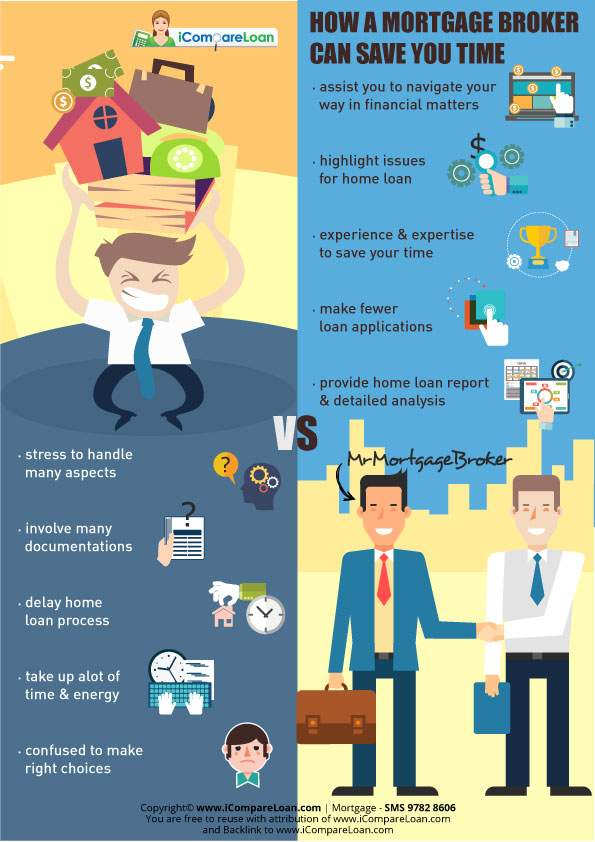
Involving with a financial consultant or home loan broker can give important understandings customized to specific situations. These experts can aid in browsing the subtleties of jumbo lendings, making certain that borrowers are well-informed and geared up to choose a loan that aligns with their monetary goals, inevitably promoting a smoother home-buying procedure.
Conclusion
In recap, big finances act as a financial instrument for acquiring high-value buildings, necessitating stringent eligibility requirements and higher rates of interest due to the elevated threat for lenders. Unlike conventional lendings, which adapt FHFA limits and may obtain support from Fannie Mae or Freddie Mac, big finances call for a minimal credit history of 700 and substantial down settlements. Recognizing these differences is important for customers in high-cost property markets to determine one of the most ideal finance choice for their needs.
The FHFA establishes yearly adapting lending limits, and any kind of lending going beyond these limits is categorized as a big financing.
At the leading edge of this decision-making process are standard fundings and jumbo financings, each possessing distinct attributes and serving various customer demands.Protecting a big finance involves fulfilling much more rigorous certification requirements compared to traditional lendings, mirroring the enhanced threat to lenders. Unlike standard lendings, big lendings commonly come with stricter needs and varied passion prices, which require detailed research and a clear understanding of one's monetary standing.
Unlike standard car loans, which adjust to FHFA limits and may get support from Fannie Mae or Freddie Mac, jumbo finances require a Source minimum debt score of 700 and significant down repayments.
Comments on “Just how to Get a Jumbo Loan and Buy a Deluxe Home”